THE SKINCARE EDIT / TRAVEL SKINCARE
Travel Skincare Tips: How to Prevent Dry Skin & Breakouts
From dry airplane air to unexpected breakouts, discover why your skin changes when you travel and how to keep it hydrated, comfortable, and healthy-looking.
You pack your cleanser, moisturizer, SPF, and maybe even your favorite serum. Your travel skincare routine is ready.
But after one long flight or a few days in a different climate, your skin suddenly feels completely different.
Dry skin after flying, unexpected breakouts while traveling, and increased oiliness are common skincare concerns during vacations.
The good news? You don't necessarily need a completely new routine. Understanding how travel affects your skin can help you make small adjustments that keep it feeling comfortable wherever you go.

01 / AIRPLANE SKINCARE
Why Does Your Skin Get Dry After Flying?
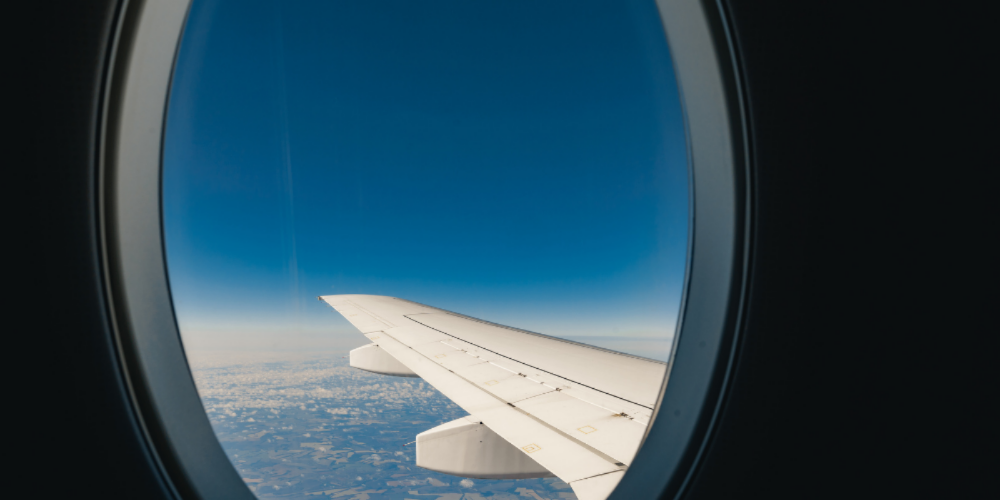
One of the biggest travel skincare challenges begins before you even reach your destination: the airplane.
Airplane cabins typically have very low humidity, often around 10–20%. When the surrounding air is this dry, moisture can evaporate from your skin more easily.
This is why your face may feel tight, dry, or dull after a long flight, even if you applied moisturizer before leaving home.
The solution isn't necessarily adding more and more products. A few well-chosen hydrating steps can help your skin stay comfortable.
AIRPLANE SKINCARE TIP
Apply a hydrating serum and moisturizer before your flight. A facial mist can provide a refreshing boost during your journey, while moisturizer helps limit moisture loss.
For a lightweight hydration step, try the epielle Hydrating Hyaluronic Acid Facial Toner Mist. Pair it with the Hyaluronic Acid Hydrating Cream to help maintain hydration.
02 / TRAVEL BREAKOUTS
What Causes Skin Breakouts While Traveling?
If your skin starts breaking out during a vacation, your destination's water might be one possible factor.
Hard water contains higher amounts of minerals, including calcium and magnesium. These minerals can interact with certain cleansing products, making them harder to rinse away completely.
For some people, this may contribute to dryness or irritation. However, travel breakouts can also result from changes in sleep, stress, sweating, or skincare habits.
Instead of immediately switching products, pay attention to how your skin responds and keep your cleansing routine gentle.

QUICK SKINCARE TIP
Wash your face gently, avoid excessive scrubbing, and moisturize after cleansing. If breakouts or irritation persist, consider consulting a dermatologist.
03 / CLIMATE & SKIN
How Climate Changes Affect Your Skin
Your skin is constantly responding to its environment. Humidity, temperature, wind, and indoor heating can all influence how hydrated or comfortable it feels.
Traveling from one climate to another may mean adjusting your skincare routine slightly.
DRY CLIMATES
More Moisture Loss
Dry air can increase moisture loss, leaving skin feeling tight or flaky. Consider a richer moisturizer if your skin needs it.
HUMID CLIMATES
Extra Shine & Sweat
Warm, humid weather can increase sweating and make your skin feel oilier. Lightweight moisturizing products may feel more comfortable.
COLD CLIMATES
Dryness & Discomfort
Cold weather, wind, and indoor heating may contribute to dryness and skin barrier discomfort.
The best approach is to keep your routine familiar and make small changes based on your skin's needs.
04 / VACATION SUN PROTECTION
How to Protect Your Skin From the Sun While Traveling
Vacation often means spending more time outdoors, whether you're relaxing at the beach, exploring a city, or hiking.
That extra time outside can increase UV exposure. Water and sand can also reflect UV rays, making sun protection especially important.
Choose broad-spectrum SPF 30 or higher and reapply at least every two hours while outdoors, as well as after swimming or sweating according to your sunscreen's directions.

SUN PROTECTION REMINDER
Sunscreen is only one part of sun protection. Seek shade, wear protective clothing, and use a wide-brimmed hat and UV-protective sunglasses when spending time outdoors.
05 / DAILY TRAVEL ROUTINE
A Simple Travel Skincare Routine for Healthy-Looking Skin
You don't need to pack your entire skincare shelf. A few essentials can help maintain hydration and protect your skin throughout your trip.
STEP 01 — Gentle Cleanser
Remove makeup, sunscreen, and daily buildup without stripping your skin.
STEP 02 — Hydrating Toner or Serum
Add lightweight hydration, especially after a long flight or time spent in dry environments.
STEP 03 — Moisturizer
Help maintain your skin's moisture barrier with a moisturizer that suits your skin type and destination.
STEP 04 — Sunscreen
Apply broad-spectrum SPF 30 or higher as the last step of your morning skincare routine.
For your evening routine, keep things gentle and focus on comfort and hydration. After a busy travel day, an additional moisturizing treatment can be a welcome way to wind down.
06 / POST-TRAVEL SKINCARE
Post-Travel Skincare: An Overnight Hydration Routine
After long flights, changing climates, and busy vacation days, your skin may feel drier than usual and appear less radiant.
This is the perfect time to slow down and give your skin a little extra attention.
An overnight hydration routine doesn't need to be complicated. Start with gentle cleansing, apply your favorite hydrating skincare, and consider adding a moisturizing hydrogel mask.
Hydrogel masks are a convenient way to add moisture-focused care to your evening routine, especially when your skin feels tight or dehydrated after travel.
POST-TRAVEL HYDRATION PICK
Meet Your Overnight Hydration Essential
The epielle Deep Hydration Biocollagen Overnight Hydrogel Mask is designed to deliver intense moisture and support smoother, plumper, dewier-looking skin.
Formulated with collagen, hyaluronic acid, and galactomyces ferment filtrate, this moisturizing mask makes a lovely addition to a relaxing post-travel skincare ritual.
Think of it as a little extra self-care after your skin has spent the day adapting to a new environment.
Your 4-Step Post-Travel Night Routine
01 — Cleanse Gently
Remove makeup, sunscreen, and daily buildup with a gentle cleanser.
02 — Add Hydration
Apply your usual hydrating toner or serum to help replenish moisture.
03 — Apply Your Hydrogel Mask
Use epielle Deep Hydration Biocollagen Overnight Hydrogel Mask according to the package directions.
04 — Relax & Recharge
Finish your evening with a relaxing self-care ritual and give your skin time to rest.
The goal isn't to completely transform your skin overnight. It's to keep your routine consistent, maintain hydration, and give dry, tired-looking skin some extra care.
KEY TAKEAWAYS
Good travel skincare starts with simple habits.
✓ Airplane cabin air can increase skin dryness.
✓ Changes in water, climate, and routine may affect your skin.
✓ Daily sunscreen is essential during outdoor travel.
✓ Gentle cleansing and moisturizing help maintain skin comfort.
✓ A moisturizing overnight hydrogel mask can complement your post-travel skincare routine.
07 / TRAVEL SKINCARE FAQ
Frequently Asked Questions
Why does my skin break out when I travel?
Travel can change your sleep patterns, stress levels, skincare habits, and exposure to heat and humidity. All of these may contribute to breakouts. Keep your routine simple and avoid introducing several new products at once.
How do I prevent dry skin after flying?
Apply moisturizer before your flight, use hydrating skincare products that suit your skin, and avoid harsh cleansing. Low cabin humidity can increase moisture loss, so maintaining a gentle hydration routine is helpful.
Should I change my skincare routine for vacation?
Usually, it's best to keep your core routine familiar. Focus on cleansing, moisturizing, and sun protection, then adjust your hydration steps based on the climate and how your skin feels.
Can I use an overnight hydrogel mask after traveling?
Yes. A hydrating hydrogel mask can be a useful addition when your skin feels dry after travel. Choose one suitable for your skin and follow the product instructions. If your skin is sunburned or irritated, avoid introducing new products until it has recovered.
How often should I reapply sunscreen while traveling?
Reapply broad-spectrum SPF 30 or higher at least every two hours while outdoors. Reapply after swimming or sweating according to your sunscreen's directions, and use additional protection such as shade and protective clothing.
YOUR POST-TRAVEL SKINCARE ESSENTIAL
Your Post-Travel Skin Reset Starts Here
Long flights and changing climates can leave your skin feeling dry and looking tired. Give your skin extra hydration with epielle Deep Hydration Biocollagen Overnight Hydrogel Mask for a smoother, plumper, dewier-looking complexion.
SHOP THE OVERNIGHT HYDROGEL MASK →