

Glow Up With K-Beauty


Korean Skincare Ingredients: Rice, Mung Bean & Red Bean | epielle
Korean Beauty & Culture Korean Skincare Ingredients: Rice, Mung Bean & Red Bean Benefits Discover the science and cultural stories behind three everyday Korean kitchen staples that shaped K-Beauty. What if some of the most effective Korean skincare ingredients were already sitting in a traditional Korean kitchen? When people think of K-Beauty, they often picture innovative formulas, hydrating serums, and glass-skin routines. Yet three of the most celebrated botanicals in modern Korean skincare—rice, mung beans (nokdu), and red beans (adzuki)—have been staples of Korean meals and traditional beauty rituals for generations. In Korean skincare, rice helps support the skin barrier and smooth texture, mung bean purifies pores and balances excess oil, and red bean delivers polyphenol antioxidants for revitalized-looking skin. Here is how these three everyday Korean foods became modern skincare icons. Quick Guide: Rice vs. Mung Bean vs. Red Bean Skincare Benefits Ingredient Korean Name Key Compounds Primary Skincare Benefits Rice Ssal (쌀) Rice starch, phenolic antioxidants, amino acids Supports skin barrier, softens texture, gentle exfoliation Mung Bean Nokdu (녹두) Flavonoids (vitexin & isovitexin) Deep cleansing, removes excess oil, antioxidant defense Red Bean Pat (팥) Polyphenols, saponin-rich outer skins Antioxidant care, gentle exfoliation, revitalized skin tone INGREDIENT 01 Rice in Korean Skincare: Barrier Support & Gentle Exfoliation Rice is the foundation of Korean meals and traditional skin-softening rituals. In Korea, rice isn't just another side dish—it is the heart of the meal. Many Koreans grow up eating rice almost every day alongside soup, kimchi, and small side dishes called banchan. A traditional meal feels incomplete without a warm bowl of rice. Beyond the dinner table, however, rice has played an equally iconic role in Korean beauty history. Rice Water and Rice Bran Benefits for Skin Rice water (ssaltteumul) has been used for generations in Asian skincare routines. For generations, rice water (known in Korea as ssaltteumul)—the cloudy liquid left behind after rinsing rice—has been used as a gentle facial rinse across Korea and East Asia. Today, rice extract, rice bran, and finely milled rice powder appear in facial cleansers, toners, serums, and moisturizers. 1. Skin Barrier Support Rice starch has been studied for its ability to help maintain a healthy skin barrier. Clinical observations have shown that rice starch added to bathwater helped improve the recovery of irritated, dry skin under controlled conditions. 2. Softer, Smoother-Looking Skin Texture Rice-derived ingredients are prized in K-Beauty for their skin-conditioning properties. Finely milled rice particles also offer mild physical exfoliation, sweeping away dead skin buildup without harsh abrasion. 3. Naturally Occurring Antioxidants Rice bran—the nutrient-dense outer layer of the grain—contains antioxidant compounds such as ferulic acid and phenolic substances that help protect skin from everyday environmental stressors. Who knew that something as simple as a daily bowl of rice could hold centuries of skin-barrier wisdom? Bring Rice Into Your Daily Cleansing Routine Ready to experience rice skincare firsthand? Try the epielle Rice Gentle Scrub Cleanser, a creamy, rice-inspired formula designed to buff away dullness and leave skin feeling soft, clean, and refreshed. Discover Rice Gentle Scrub Cleanser INGREDIENT 02 Mung Bean (Nokdu) Benefits: Traditional Cleansing & Antioxidant Care Bindaetteok, a savory Korean pancake made from stone-ground mung beans. In Korea, mung beans are known as "nokdu" (녹두). These small green legumes have been cherished in Korean kitchens for centuries. One of the most famous dishes made with nokdu is bindaetteok, a traditional Korean mung bean pancake. Soaked mung beans are ground into a hearty batter, mixed with vegetables, and pan-fried until golden and crisp at bustling Korean street markets. Nokdu-juk, a nourishing Korean mung bean porridge. Another beloved dish is nokdu-juk (녹두죽), a slow-simmered mung bean porridge prized in Korean households for being gentle, warm, and restorative. Before Foam Cleansers, Korea Used Ground Mung Bean Finely ground mung beans served as Korea's original botanical facial wash. Long before modern foaming face washes existed, finely ground mung bean powder was used as a traditional daily cleanser in Korea. Mixed with water into a silky paste, it gently lifted away dirt and excess sebum. Today, mung bean extract remains a star ingredient in modern Korean cleansers—and cosmetic science explains why. 1. Purifying Cleansing Action Ground mung beans have a centuries-long track record in Korean cleansing rituals. Modern K-Beauty formulas pair mung bean extract with gentle surfactants to help clear daily impurities, sunscreen, and excess oil without stripping moisture. 2. Flavonoid Antioxidant Protection Mung beans naturally contain potent plant flavonoids, including vitexin and isovitexin, which have been widely studied for their free-radical-scavenging antioxidant activity. 3. Skin-Soothing Potential Laboratory studies have explored the calming, anti-inflammatory potential of mung bean-derived compounds, making mung bean cleansers a favorite for balanced, comfortable skin. The same humble green bean behind crispy Korean market pancakes also served as Korea's original natural face wash. Experience Modern Mung Bean Cleansing Inspired by traditional nokdu cleansing rituals, the epielle Mung Bean Cleanser refreshes pores and washes away daily buildup while keeping skin balanced. Discover Mung Bean Cleanser INGREDIENT 03 Red Bean (Adzuki) Benefits: Polyphenols & Revitalized Skin If you have ever tried Korean desserts, you have almost certainly tasted red beans, also known globally as adzuki beans (pat in Korean). In Korea, sweetened red bean paste plays a role similar to chocolate or caramel in Western treats, offering a comforting, earthy-sweet flavor across seasonal favorites: Patjuk — Traditional Korean Red Bean Porridge Patjuk, a warming red bean porridge traditionally eaten during the Korean winter solstice. Patjuk is a velvety, warming porridge simmered from red beans and topped with chewy glutinous rice cake balls (saealsim), traditionally enjoyed during cold winter months. Patbingsu — Korean Milk Shaved Ice Patbingsu, Korea's iconic summer shaved-ice dessert topped with sweet red beans. Patbingsu is one of Korea's most famous summer desserts—fluffy shaved milk ice crowned with sweet, tender red beans for a cool, creamy treat. Bungeoppang — Fish-Shaped Korean Street Pastry Bungeoppang, golden fish-shaped pastries filled with warm red bean paste. Sold at cozy winter street stalls across Korea, bungeoppang are crisp, golden fish-shaped pastries filled with warm sweet red bean paste. The Skincare Secret Inside Red Bean Skins Red adzuki bean skins are naturally rich in polyphenols and antioxidants. Just like mung beans, finely ground red beans were historically mixed with water in Korea as a natural skin-polishing wash. Today, cosmetic researchers are closely studying the bioactive compounds concentrated in the reddish outer skins of adzuki beans. 1. Polyphenol-Rich Antioxidant Defense Red adzuki bean skins are rich in polyphenols, anthocyanins, and natural antioxidants being researched for their ability to help defend skin against oxidative stress. 2. Traditional Gentle Exfoliation Finely milled red bean powder has long been used to smooth rough patches. In modern formulations, refined extracts deliver skin-conditioning benefits without the irritation of coarse scrubs. 3. Skin Tone & Radiance Research Cosmetic researchers have studied red bean skin extracts for their interaction with tyrosinase, an enzyme involved in melanin production. While early laboratory findings do not mean red beans erase dark spots on their own, they highlight why red bean extracts are an exciting ingredient in brightening-focused K-Beauty formulas. The sweet red bean filling inside Korea's favorite winter street pastry also carries a rich skincare legacy in its outer skin. Treat Your Skin to Red Bean K-Beauty Care Ready to add red bean to your self-care ritual? Unwind with the epielle Red Bean Facial Serum Mask (5-Pack), drenched in a nourishing serum inspired by traditional Korean botanical care. Discover Red Bean Facial Serum Mask Frequently Asked Questions About Rice, Mung Bean & Red Bean Skincare What are the main benefits of rice in Korean skincare? Rice water, rice starch, and rice bran help support the skin barrier, soften rough texture, offer gentle physical exfoliation, and provide natural phenolic antioxidants for smoother, healthier-looking skin. Why is mung bean (nokdu) popular in Korean cleansers? Finely ground mung beans were traditionally used with water as a daily Korean facial wash. Today, mung bean extract is formulated into cleansers to help lift away excess sebum and daily impurities while providing antioxidant flavonoids like vitexin and isovitexin. What does red bean (adzuki bean) do for your skin? Red adzuki bean skins contain concentrated polyphenols and antioxidants that help protect against environmental stressors and leave skin feeling smooth, conditioned, and revitalized. From Korean Kitchens to Modern K-Beauty Rice, mung beans, and red beans may look like ordinary pantry staples, yet together they tell a deeper story about how Korean food culture and skincare traditions evolved side by side. Rice anchors the daily table; mung beans become crispy pancakes and soothing porridge; red beans sweeten beloved seasonal desserts—and all three have earned a lasting place in Korean beauty rituals. Sometimes the most rewarding skincare discoveries aren't synthetic breakthroughs—they are time-tested, familiar ingredients seen in a whole new light. Which Korean skincare ingredient are you most excited to try first—rice, mung bean, or red bean? Editorial Note: The traditional uses and ingredient studies referenced in this article are shared for educational purposes. Individual results depend on the finished product's overall formulation and consistent use.
Learn more
Skin Type Quiz: Oily, Dry, or Combination?
epielle / Know your skin Skin Type Quiz: Oily, Dry, or Combination? Answer 10 quick questions to explore your skin type and find a simple routine, with care tips informed by AAD and Cleveland Clinic resources. About 3 minutes · No email needed Let's listen to your skin. Think about your usual skin over the past few weeks, rather than one unusually good or bad day. This is an educational self-check, not a medical diagnosis. You don't need to wash your face or stop your routine first. Find my skin type → ← Back Next → The interactive quiz requires JavaScript. The skin care guide is still available below. Your everyday guide Simple care, for your skin. Choose your skin, then choose a step. You can explore every routine—not just your quiz result. Dry Oily Combination Normal Oily + tight Cleanse Extra care Moisturize Sunscreen Dry, oily, combination and normal describe everyday skin tendencies. Dehydration and sensitivity can overlap with different skin types. Tightness alone cannot confirm dehydration. This quiz uses an editorial scoring approach, not a clinically validated diagnostic test. Persistent burning, itching, redness or cracking deserves advice from a dermatologist.
Learn more
Pimple Before a Holiday Party? Here's What to Do (and What to Avoid)
Pimple Before a Holiday Party? Here's What to Do (and What to Avoid) Not every breakout is the same. Learn how to identify different types of blemishes, what to avoid, and how to use pimple patches the right way. Your holiday outfit is ready, your makeup look is planned, and you're excited for the big night. Then, out of nowhere, a pimple shows up on your chin or cheek. Sound familiar? Even the smallest breakout can feel like a major disaster when you have somewhere important to be. You might find yourself staring in the mirror, wondering whether to pop it, cake it with concealer, or slap on a pimple patch. The first step isn't getting rid of the bump as quickly as possible. It's figuring out what kind of breakout you're dealing with. Not every bump is a typical surface pimple, and not every type of acne responds to a patch. Let's break down how to recognize different types of blemishes, what pimple patches actually do, and how to protect your skin before your event. In this guide: 1. Wait—Is That Actually a Pimple? 2. Got a Pimple Before a Big Event? Avoid These 3 Mistakes 3. Do Pimple Patches Actually Work? 4. Meet Your Breakout Essential: epielle® Over-Zit 5. Frequently Asked Questions 1. Wait—Is That Actually a Pimple? When an unexpected red bump appears, it's easy to assume it's just another pimple. But blemishes form in different layers of the skin, and some require vastly different care. Differentiating between surface pustules and deep under-the-skin inflammation. ① Surface-Level Pimples (Pustules & Open Whiteheads) What they look like: Small, red bumps visible right on the skin's surface A distinct white or yellowish center containing fluid A blemish that may have already opened or drained slightly For pimples with fluid close to the surface, hydrocolloid pimple patches are an ideal remedy. These patches gently absorb exudate while forming a sterile, protective seal. Note: Closed comedones (tiny flesh-colored bumps trapped under unbroken skin) do not contain surface fluid and will not show immediate results with standard hydrocolloid patches. Surface-level blemishes respond best to protective hydrocolloid dressings. ② Deep, Under-the-Skin Pimples (Cysts & Nodules) Signs to look for: A firm, elevated bump deep beneath the skin with no visible head Tenderness, throbbing, or localized pain when touched Swelling and persistent erythema (redness) that lasts for days These signs point to nodular or cystic acne. Because the inflammation is buried deep in the dermis, standard surface hydrocolloid patches cannot extract this fluid. Attempting to squeeze deep acne will only rupture the follicle wall internally, triggering worse swelling and long-term hyperpigmentation (PIH). ③ What If It's Not Acne at All? Occasionally, what looks like a typical breakout could be folliculitis, a staph infection, or an abscess. Seek medical attention if you observe: Pain and rapid swelling that continues to worsen Skin that feels unusually hot to the touch or spreading redness A large, hard lump accompanied by fever or chills When in doubt, never rely solely on over-the-counter patches—consult a board-certified dermatologist. 2. Got a Pimple Before a Big Event? Avoid These 3 Mistakes Panic leads to desperate measures. Avoid these three common pre-party skincare traps that turn minor bumps into inflamed disasters. DON'T 1. Pop or Squeeze Your Pimples Squeezing introduces bacteria from your fingertips into an open micro-wound, causing surrounding tissue trauma and making the bump twice as red and impossible to conceal with makeup. DON'T 2. Over-Exfoliate Your Skin Scrubbing aggressively with physical beads or layering AHAs, BHAs, and retinol the night before will strip your moisture barrier. The result? Flaky, raw patches where foundation will cling and separate. DON'T 3. Try Too Many New Skincare Products The eve of a holiday gathering is not the time to test viral 10-step treatments. Stick strictly to calming, proven ingredients like centella asiatica, hyaluronic acid, or gentle ceramides. 3. Do Pimple Patches Actually Work? If you've ever peeled off a patch and seen a cloudy white spot in the middle, you've witnessed hydrocolloid technology in action. What Is Hydrocolloid? Originally developed for medical wound care, hydrocolloid is a moisture-retentive dressing. When applied to an active surface blemish, it draws out secretions while maintaining an optimal healing environment. Hydrocolloid patches trap moisture and impurities without drying out the surrounding skin. 3 Proven Benefits of Hydrocolloid Patches Absorbs Excess Impurities: Efficiently collects oil and fluid from open or draining blemishes without desiccating the skin. Shields Against External Contaminants: Acts as an impermeable shield against airborne dust, brush bristles, and makeup chemicals. Prevents Compulsive Picking: Acts as a physical reminder to keep hands off your face, dramatically cutting down post-inflammatory hyperpigmentation. The Golden Rule: Don't Pop It. Patch It. 4. Meet Your Breakout Essential: epielle® Acne Clear Patch Over-Zit Breakouts don't care about your social calendar. They strike on the morning of a key presentation, right before date night, or during holiday travel. Instead of panicking, keep an emergency solution in your clutch: epielle® Acne Clear Patch Over-Zit. Made in Korea — Thoughtful Skincare, Made Simple Harnessing authentic Korean skincare engineering, epielle® Over-Zit patches are designed with ultra-thin, beveled edges that adhere seamlessly to the skin. They remain virtually invisible under lighting, allowing you to wear them discretely throughout the day or under holiday glam. Seamless Coverage: Tapered edges ensure the patch stays flush and won't lift when applying foundation. Drug-Free & Non-Drying: Suitable for all skin types, including sensitive and dry winter skin. Targeted Protection: Flattens the appearance of surface bumps while keeping bacteria out. Shop epielle® Over-Zit Patches 5. Frequently Asked Questions Can I wear makeup over a hydrocolloid pimple patch? Yes. Ultra-thin patches with beveled edges like epielle® Over-Zit can be applied to clean, dry skin before applying makeup. Gently tap concealer over the patch edges for a smooth finish. How long should I leave a pimple patch on? Leave it on for at least 6 hours, or overnight. Replace the patch once it turns opaque white, indicating it has reached full fluid absorption capacity. Will a pimple patch help with blind or cystic bumps? Traditional hydrocolloid patches work best on surface blemishes with visible fluids. While they won't draw out deep cysts, wearing one can still protect the area from picking and further irritation.
Learn more
Halloween Makeup Won't Budge? Here's How to Remove It Without Wrecking Your Skin 🎃
How to Remove Halloween Makeup Safely | epielle Skincare EPIELLE JOURNAL / HALLOWEEN SKINCARE GUIDE Halloween Makeup Won't Budge? Here's How to Remove It Without Wrecking Your Skin 🎃 From stubborn witch eyeliner to zombie prosthetics, here's your guide to getting Halloween makeup off the right way. You spent hours perfecting your Halloween look. The smoky eyes? Flawless. The fake blood? Terrifyingly realistic. The face paint? Absolutely worth the effort. You took a hundred pictures, enjoyed the party, and finally made it home. There's just one problem. Your Halloween makeup doesn't seem to realize the party is over. 👻 Your eyeliner won't budge, there's still red face paint on your cheeks, and that fake zombie wound seems permanently attached to your face. Sound familiar? Before you reach for another makeup wipe or start scrubbing, there's something you should know: The secret to removing stubborn Halloween makeup isn't scrubbing harder. It's using the right remover for the makeup you're wearing. From witches and vampires to clowns and zombies, we're breaking down what you need to remove your makeup, why certain products work better than others, and how to give your skin a little TLC afterward. Let's get that costume off your face! 🧙♀️ 1. The Witch: When Your Smoky Eyes Refuse to Disappear Your makeup worked its magic all night. Now it's time to make it disappear. Every great witch look needs a little drama. We're talking deep purple eyeshadow, jet-black eyeliner, waterproof mascara, and dark plum lipstick that refuses to move. Why is witch makeup so hard to remove? Many waterproof eyeliners and long-wear lipsticks are designed to resist water, sweat, and smudging. That's great when you're dancing all night, but it also means regular face washing may not remove everything. Rubbing harder isn't the answer, especially around your eyes, where the skin is delicate. What should you actually use? For waterproof eyeliner and mascara: Look for a Bi-Phase Eye Makeup Remover or a remover specifically labeled for waterproof eye makeup. A bi-phase remover typically combines an oil-based layer and a water-based layer to help break down long-wearing makeup. Shake the bottle if instructed, apply it to a cotton pad, and gently hold it against your closed eyelid before wiping away the makeup. For dark lipstick and heavy face makeup: A suitable cleansing balm or oil-based makeup remover can be a great option. These formulas help dissolve makeup so you don't have to rely on repeated rubbing. EPIELLE SKINCARE PICK Meet Your Post-Halloween Cleansing Essential Once you've removed waterproof eye makeup with an eye-safe remover, it's time to tackle the rest of your face. epielle Melting Cleansing Balm transforms from a solid balm into a silky oil, helping melt away regular face makeup, foundation, and sunscreen. Instead of repeatedly scrubbing, let the balm help loosen your makeup before rinsing. Shop Melting Cleansing Balm → What about false eyelashes? Don't just pull them off! If you used strip lashes, follow the adhesive manufacturer's removal instructions. A lash adhesive remover may be needed to loosen stubborn glue. Witch Tip ✨ The only thing that should be disappearing tonight is your makeup, not your patience. 🤡 2. The Clown: Why Is That Red Face Paint Still There? The party's over. Why is your face paint still putting on a show? Clown makeup is all about color, but those same colors can be surprisingly stubborn when it's time to wash them off. Here's something important: not all face paints should be removed the same way. Water-Based or Water-Activated Face Paint Products labeled Water-Based or Water-Activated are generally designed to work with water. For example, Mehron's professional Paradise Makeup AQ is a water-activated face and body paint. How to remove it: Wet your face with lukewarm water and gently work in a mild facial cleanser using your fingertips. Rinse thoroughly and pat your skin dry. EPIELLE SKINCARE PICK A Gentle Way to Wash Away the Night If your water-activated face paint calls for a gentle facial wash, consider epielle Hydrating Foam Cleanser. Formulated with hyaluronic acid and ceramides, it's a simple option for your cleansing routine. Just remember to follow your face paint manufacturer's removal directions first. Shop Hydrating Foam Cleanser → Cream-Based or Greasepaint Makeup Some theatrical clown makeup uses thicker cream or greasepaint formulas containing oils and waxes. These formulas can be harder to remove with water alone. What should you use? Look for a Cream Makeup Remover or Theatrical Makeup Remover. A suitable oil-based cleanser may also help with certain cream-based formulas, but always follow the original makeup manufacturer's directions. What if the red color still won't come off? Highly pigmented face paints can sometimes leave temporary staining, especially with vibrant shades like red, pink, or blue. If you've thoroughly removed the makeup but still notice a little color, stop scrubbing, moisturize, and give the temporary staining time to fade. Clown Tip 🎨 Your clown makeup was supposed to make your face colorful. Your removal routine shouldn't leave it red from irritation. 🧛 3. The Vampire: The Fake Blood Is Gone... Right? Your lipstick survived the night. But it doesn't have to live forever. Different kinds of fake blood require different removal methods. Type 1: Syrup-Based Fake Blood Many Halloween fake blood products use syrup-based formulas to create a glossy, realistic appearance. Some formulas, such as Mehron Stage Blood, can be removed using soap and water according to the manufacturer's directions. How to remove it: Begin with lukewarm water to soften and loosen the fake blood. Use a mild cleanser to gently wash away the residue, then rinse thoroughly. Type 2: Alcohol-Activated Special Effects Makeup Professional special effects artists use alcohol-activated paints to create realistic blood, bruises, wounds, and skin discoloration. These are designed to stay in place and may require specialized makeup removers, such as Telesis Super Solv or Telesis Beta Solv, when recommended by the makeup manufacturer. Important: Don't assume that rubbing alcohol, acetone, or household solvents are safe substitutes for a professional skin-safe remover. EPIELLE SKINCARE PICK Fake Blood Off. Regular Makeup Next. Once you've removed your fake blood or special effects makeup using the appropriate remover, you may still have foundation and everyday makeup left behind. That's where epielle Melting Cleansing Balm can help. Its solid-to-oil formula helps dissolve compatible facial makeup and sunscreen, making it a useful step in your post-party cleansing routine. Remember: a cleansing balm does not replace professional special effects removers. Shop Melting Cleansing Balm → Vampire Tip 🩸 Immortal vampires? Sure. Immortal lipstick? No, thank you. 🧟 4. The Zombie: When Your Halloween Makeup Is Literally Stuck to Your Face Zombie makeup takes Halloween creativity to another level. Unlike everyday cosmetics, some special effects looks involve materials that physically attach to your skin. That's why choosing the correct remover matters. Liquid Latex: The Fake Skin That Peels What to use: Warm water or the makeup remover recommended for the specific latex product. For Mehron Liquid Latex, soften the edges with warm water or Mehron Makeup Remover before gently lifting away the latex. If the latex pulls on your skin or feels painful, don't force it. Spirit Gum: The Glue Behind Fake Noses and Scars What to use: Spirit Gum Remover. Regular soap and water may not break down this adhesive effectively. Use a compatible Spirit Gum Remover according to the manufacturer's instructions, working carefully until the adhesive begins to loosen. Keep the remover away from your eyes and follow all flammability warnings. Pros-Aide: When Your Prosthetics Really Won't Move What to use: Pros-Aide Remover. Use a compatible remover to gradually loosen the adhesive around the edges of the prosthetic. Don't pull or tug at a prosthetic that's still attached. Silicone-Based Prosthetic Adhesives What to use: A compatible silicone adhesive remover. For example, certain Telesis silicone adhesives can be removed with the corresponding Telesis Silicone Adhesive Remover. Always check your adhesive's exact formula before choosing a remover. EPIELLE SKINCARE PICK Special Effects Removed? Time to Cleanse. Once you've safely removed latex, prosthetics, and adhesives with the correct specialty removers, it's time for regular facial cleansing. epielle Hydrating Foam Cleanser can help wash away everyday residue as part of your gentle cleansing routine. It isn't designed to dissolve Spirit Gum, Pros-Aide, or silicone adhesives, so make sure those materials have been properly removed first. Shop Hydrating Foam Cleanser → Zombie Tip 🧟 Looking like the undead is part of the costume. Damaging your actual skin isn't. 5. Still Have Halloween Makeup Left? Don't Panic. Even after cleansing, you might notice a few stubborn traces of makeup. Here's what to do. There's still black eyeliner around my eyes. Use an eye-safe remover specifically designed for waterproof makeup. Avoid rubbing back and forth or getting the remover into your eyes. My face is still stained red or blue. Some pigments leave temporary staining. Once the makeup itself has been removed, stop scrubbing and allow your skin to rest. Use a gentle moisturizer. There's glitter everywhere. Check whether the glitter was loose or attached with cosmetic adhesive. Use the removal method recommended for that product and avoid rubbing near your eyes. I don't know which adhesive I used. Check the original packaging or makeup kit instructions. Different adhesives require different removers. Never experiment with random household solvents on your face. My skin feels dry or irritated. Stop using products that cause irritation. Avoid additional scrubbing or exfoliation and choose a gentle moisturizer. Seek medical advice if symptoms are severe or persist. 6. The Halloween Makeup Removal Cheat Sheet Not sure what to use? Save this guide for your next costume party. Makeup or Material What to Use Waterproof eyeliner and mascara Eye-safe waterproof or bi-phase makeup remover Long-wear lipstick Lip-safe oil-based makeup remover Regular foundation and makeup Suitable cleansing balm or makeup remover Water-activated face paint Lukewarm water and gentle cleanser, as directed Cream makeup or greasepaint Cream or theatrical makeup remover Syrup-based fake blood Soap and water, if recommended Alcohol-activated SFX paint Manufacturer-approved professional makeup remover Liquid Latex Warm water or recommended remover to soften edges Spirit Gum Spirit Gum Remover Pros-Aide Compatible Pros-Aide Remover Silicone prosthetic adhesive Compatible silicone adhesive remover The Golden Rule: Always check the original makeup product's removal instructions. Two products that look almost identical may require completely different removers. 7. Your Halloween Makeup Is Gone. Now What? Time for a little post-Halloween skincare TLC! Once specialized adhesives and special effects materials have been properly removed, focus on gentle cleansing and moisturizing. You don't need an elaborate ten-step routine. Keep it simple. STEP 1. Melt Away Everyday Makeup Start by removing compatible everyday makeup, foundation, and sunscreen with a suitable makeup remover. epielle Melting Cleansing Balm starts as a solid balm and melts into a silky oil, helping dissolve ordinary makeup and daily buildup. Shop Melting Cleansing Balm → STEP 2. Wash Away What's Left If a second cleanse is needed, follow with a gentle facial cleanser. epielle Hydrating Foam Cleanser contains hyaluronic acid and ceramides and is designed to leave skin feeling clean and comfortable. There's no need to keep washing once your skin is clean. Shop Hydrating Foam Cleanser → STEP 3. Bring Back the Moisture After cleansing, it's time to give your skin a little hydration. epielle Rice + Vegan Ceramide Serum & Cream combines rice-derived ingredients with vegan ceramides for a moisturizing routine. Apply the serum first, then follow with the cream if these products work for your skin. Shop Rice Serum & Cream → 8. Before Your Next Halloween, Remember This 🎃 Here's one thing worth adding to your Halloween shopping list: Your makeup remover. When you're choosing a dramatic costume look, take a minute to check how each product comes off before putting it on. Don't wait until midnight to discover that your makeup kit requires a remover you don't own. A little preparation can make your post-party routine a whole lot easier. The Only Thing That Should Haunt You Is Your Halloween Photos. 👻 The trick is simple: understand what you're wearing, choose the right remover, and treat your skin gently. Makeup off. Skin happy. Halloween complete. 🎃✨ Sources & Helpful Official Guides For the exact product you used, always consult its manufacturer's directions. Face Paint & Special Effects Makeup Mehron — Paradise Makeup AQ Mehron — Makeup Remover Cream Mehron — Stage Blood Skin Illustrator — Official FAQ Special Effects Adhesives & Latex Mehron — Liquid Latex Mehron — Spirit Gum Remover Alcone — Pros-Aide Remover PPI — Telesis Silicone Adhesive Remover General Skincare & Safety U.S. FDA — Novelty Makeup Safety American Academy of Dermatology — Face Washing 101 This guide provides general educational information. Makeup and adhesive formulas vary by manufacturer. Always follow the instructions and safety warnings for the exact products you're using, especially around the eyes or on irritated skin.
Learn more
Why Does My Skin Feel Dry Even After Moisturizing?
epielle / Skincare Education Why Does My Skin Feel Dry Even After Moisturizing? Practical fixes for tight skin, flaky patches, and makeup that won’t sit smoothly You apply moisturizer, but a few hours later, your cheeks feel tight again. Your nose and forehead look shiny, yet the skin around your mouth is flaky. And when you apply foundation, those dry patches become even more noticeable. A thicker layer of cream may help, but it may not address everything causing the dryness. If cleansing leaves your skin feeling stripped, start there. If a lightweight lotion isn’t keeping your skin comfortable, a richer formula may be a better fit. Here’s what to change based on when and where your skin feels dry. 01 / Gentle Cleansing 1. Skin Feels Tight Right After Washing? Make Cleansing Gentler If your face feels tight as soon as you finish washing, your cleansing routine may be contributing to the dryness. Hot water, a harsh cleanser, or repeated rubbing can leave skin feeling uncomfortable before you even reach for moisturizer. Tonight, try these steps: Use lukewarm water instead of hot water. Choose a gentle, fragrance-free cleanser. If your current cleanser consistently leaves your skin feeling tight, switch to a milder formula. Wash gently with your fingertips instead of using a cleansing brush or scrub. Pat your skin with a soft towel rather than rubbing it dry. When removing makeup or sunscreen, follow the product’s cleansing instructions. Avoid washing repeatedly just to get that “squeaky-clean” feeling. 02 / Application Timing 2. Skin Feels Dry Again Soon After Moisturizing? Apply It Earlier If you wait until your skin is completely dry before applying moisturizer, move that step earlier in your routine. Follow this simple order:Cleanse → Gently pat away excess water → Apply moisturizer while skin is still slightly damp. Dry your hair or get dressed afterward. Applying moisturizer to slightly damp skin helps retain some of the water already on your skin. If you use a hydrating serum, follow it with moisturizer without waiting for your skin to dry completely, unless the product’s instructions say otherwise. Prefer fewer steps? You can skip the serum and go straight to moisturizer. If dry areas start feeling tight again during the day, reapply moisturizer where needed. 03 / Ingredient Choice 3. More Serum Isn’t Helping? Try a Richer Moisturizer If you keep layering hydrating serum but still feel dry, adding moisture may be only part of the solution. Your routine also needs to help reduce moisture loss. Different moisturizing ingredients serve different purposes: Ingredient Examples What They Do Glycerin and hyaluronic acid Help attract and hold water in the skin Ceramides Help replenish lipids that support the skin barrier Petrolatum and dimethicone Help reduce moisture loss from the skin’s surface A single moisturizer can contain several of these ingredients. The overall formula—and how your skin feels after using it—matters more than one standout ingredient. If a lightweight gel or lotion leaves your skin feeling tight, try a richer, fragrance-free cream. Give particularly dry areas, such as your cheeks and around your mouth, a little extra attention. If your forehead and nose are oily, you can use a lighter moisturizer there and a richer cream on dry areas. A shiny T-zone doesn’t mean you need to skip moisturizer everywhere. 04 / Exfoliation Care 4. Makeup Clinging to Flaky Patches? Take a Break From Exfoliating When foundation catches on dry patches, it’s tempting to scrub them away. But if your skin also feels tight or stings, more exfoliation may make it more uncomfortable. Try this approach instead. In the evening: Pause scrubs and exfoliating treatments. Keep your routine simple with gentle cleansing and a moisturizing cream. Avoid picking at flakes or rubbing them off with a towel. The next morning: Apply a thin layer of moisturizer to dry areas and let it settle before sunscreen and makeup. Apply foundation in light layers, and avoid repeatedly adding powder over flaky patches. If your skin is red or stinging, focus on reducing irritation before trying to cover it with makeup. 05 / Indoor Humidity 5. Skin Feels Drier at Home or Work? Check the Indoor Humidity Indoor heating can make the air drier, leaving your skin feeling tighter than usual. Even a richer moisturizer may not keep you comfortable if your surroundings remain very dry. Use a small hygrometer to check the humidity. If the air is dry, a humidifier may help. Aim for indoor relative humidity of about 30–50%, and reduce humidifier use if you notice condensation on windows or damp surfaces. Change the water and clean your humidifier according to the manufacturer’s instructions. If a heater or air vent blows directly toward your face, adjust its direction or move your seat. 06 / Extra Hydration Want an Extra Hydration Step? Add a Hydrogel Mask Once you’ve adjusted your cleansing and moisturizing routine, a hydrogel mask can be an optional addition on evenings when you want extra hydration. The epielle Deep Hydration Biocollagen Mask is an overnight hydrogel mask formulated with hyaluronic acid, collagen, and galactomyces ferment filtrate. It helps moisturize skin for a smoother, dewier-looking appearance. Start by gently removing makeup and cleansing your skin, then follow the preparation steps and wear time on the packaging. If your skin still feels dry after removal, finish with a moisturizer suited to your skin. Longer wear doesn’t automatically mean better results. Follow the recommended wear time, and remove the mask if you notice stinging or itching. If your skin is already red or irritated, keep your routine simple rather than introducing a new mask. Keep everyday moisturizing consistent, and add a little extra hydration when your skin needs it. Deep Moisture Treatment Overnight Hydration Boost Explore the epielle Deep Hydration Biocollagen Mask to help support your hydration routine. Explore the epielle Deep Hydration Biocollagen Mask → If dryness doesn’t improve, or itching, redness, or cracking continues, consult a dermatologist.
Learn more
Easy Fall Foot Care Favorites for Cozy Nights In 🍂
Easy Fall Foot Care Favorites for Cozy Nights In 🍂 Simple ways to relax, recharge, and give your feet a little extra love this fall. When fall rolls around, we all remember to switch to richer face creams, but our feet often get left behind. Between cooler weather, dry indoor heating, and wearing boots all day, your feet can start feeling pretty rough and tired by the end of the day. The good news? You don't need a whole complicated spa routine. Here are a few simple, low-effort ways to give your feet a little extra love at home this season. 01. A Warm Foot Soak There's nothing quite like sinking your feet into a basin of warm water after a chilly day. Just 10–15 minutes with a cup of hot tea and a relaxing playlist is an effortless way to soften dry skin and unwind after a busy day. Keep the water comfortably warm, not hot, and gently pat your feet dry afterward, especially between your toes. 02. Acupressure Slippers If doing a manual foot massage feels like too much work after a long day, acupressure slippers are an easy addition to your routine. The textured pressure points give your feet a gentle massage as you move around, making it a simple way to add a little relaxation to your day. Start by wearing them for just a few minutes, whether you're getting ready for bed or relaxing at home. Keep the pressure comfortable, and take them off if they feel painful. 03. A Massage & Stretching Ball If you have a small massage ball, lacrosse ball, or even a spiky foot roller, keep it by your couch! While you're watching TV or reading, simply place it under your foot and slowly roll it back and forth with gentle pressure. It's a simple way to gently massage your arches and help your feet feel more relaxed after a long day. Spend a minute or two on each foot, then finish with a few easy toe and ankle stretches. 04. Overnight Moisture Care with TruWrap Fit When your feet need extra hydration, regular lotions can sometimes feel messy. The epielle TruWrap Fit Overnight Advanced Foot Masks make moisturizing care simple and convenient. They slip on just like socks, making them an easy addition to your cozy nighttime routine. Whether you're watching your favorite movie or winding down for the evening, TruWrap Fit lets you enjoy some downtime while caring for your feet. Follow the wear and removal instructions on the package. Find Your Perfect TruWrap Fit Three options for your foot care needs. 💧 Hydrating — For Extra Dryness Featuring Prebiotic Oat, Shea Butter, and Urea, this option is a great choice for feet that need a little extra hydration. 🌿 Repairing — For Rough, Dry-Feeling Heels Formulated with Centella Complex and NAD+, this option is a comforting choice when your heels feel especially rough and dry. 🤍 Moisturizing — For Everyday Softness Featuring Jojoba Oil and Tea Tree Oil, this option is an easy way to add moisturizing care to your weekly routine. Explore TruWrap Fit → A Little Foot Care Goes a Long Way 🌙 Taking care of your feet doesn't have to be a big ordeal. Whether you try one of these ideas or mix and match, a little bit of care can help keep your feet feeling soft, comfortable, and refreshed all fall long. So grab your favorite blanket, make yourself a warm drink, and enjoy a little well-deserved me-time. After all, your hardworking feet deserve some love, too! 🍂 Give Your Feet a Little Extra Love Discover your perfect TruWrap Fit for cozy nights in. Shop TruWrap Fit →
Learn more
Fall Skincare Transition: How to Keep Your Skin Hydrated & Glowing
As temperatures drop, your skin needs a little extra care. Discover four simple ways to transition your skincare routine for fall and keep your skin feeling hydrated, soft, and glowing all season long.
Learn more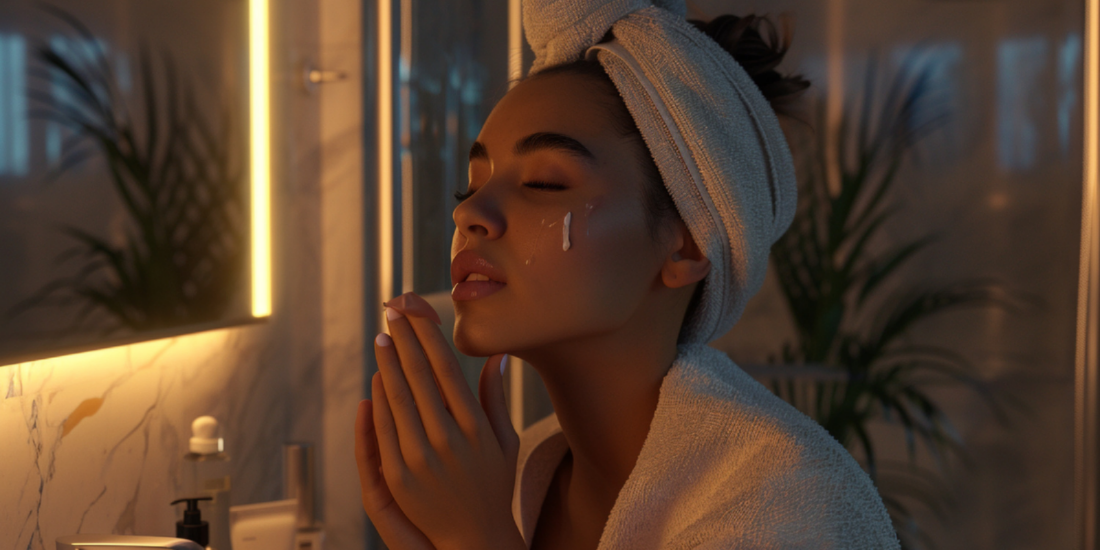
The Retinol Guide Nobody Actually Wrote
Everyone talks about retinol but most of the advice out there covers the same basic ground. Here's what actually doesn't get said, the insider knowledge about formulation, application timing, and results that makes the difference between giving up and seeing real change.
Learn more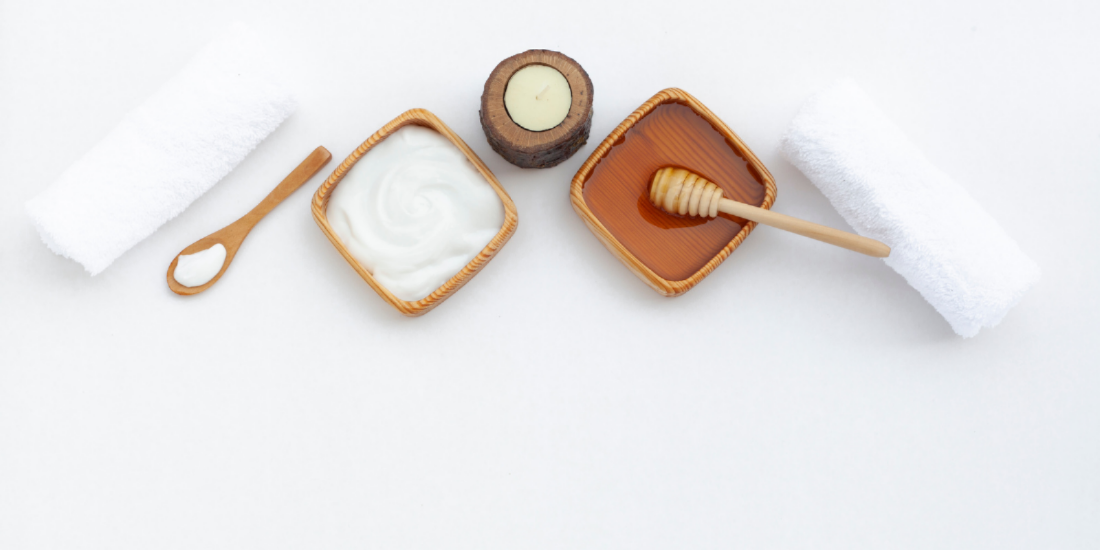
The Ingredient Combinations Your Skin Is Begging You to Stop Using
Some skincare ingredients work brilliantly on their own and turn into a problem the moment you put them together. Here's which combinations are worth avoiding and why separating them actually gets you better results from both.
Learn more
The Skincare Advice That Aged Badly
Some skincare advice that used to be treated as gospel is now known to be wrong, outdated, or actively making things worse. Here's a look at the tips that didn't age well and what we actually know now instead.
Learn more