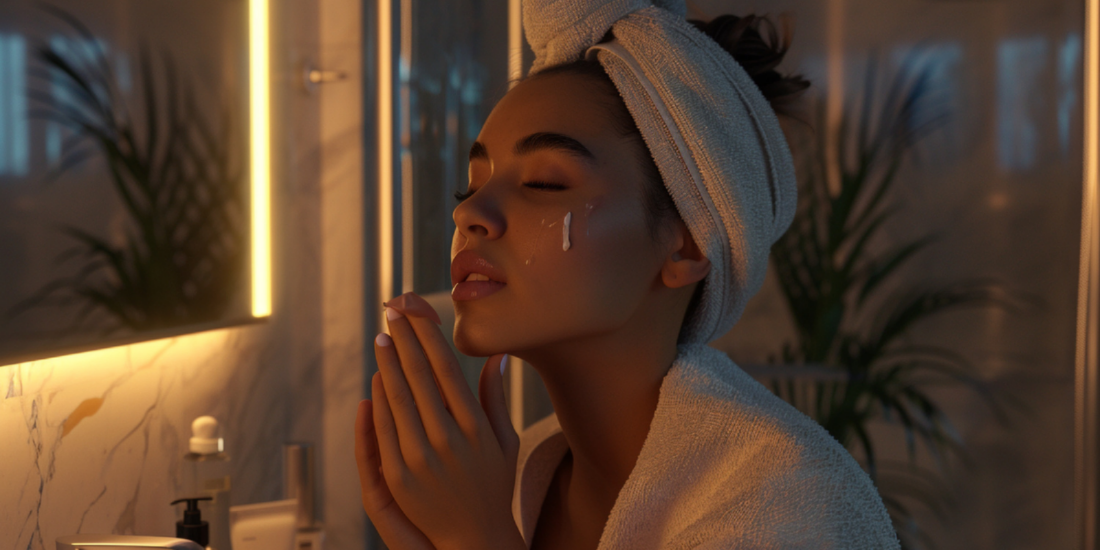
Here's something that doesn't get said enough: most people have no idea what their actual skin type is. And it's not their fault. The way skin type gets taught, usually through a quick quiz on the back of a cleanser box or a five second TikTok, leaves out so much nuance that people end up with a label that doesn't quite fit and a routine built around the wrong assumptions.
If your skincare isn't working the way it should, this might be exactly why.

The four skin types most people know are dry, oily, combination, and normal. What most people don't know is that these categories describe your skin's baseline behavior, not what it's doing on any given day. Your skin can act oily in summer and dry in winter. It can feel tight after cleansing and shiny by noon. It can be genuinely sensitive without being a recognized skin type at all. Context matters and a single label rarely captures the full picture.
The most reliable way to actually figure out your skin type is the bare face test. Cleanse your face with a gentle cleanser, don't apply anything afterward, and wait an hour. Then actually look at and feel your skin without any products on it. What you observe in that window is your skin's natural baseline and it's a lot more telling than any quiz.
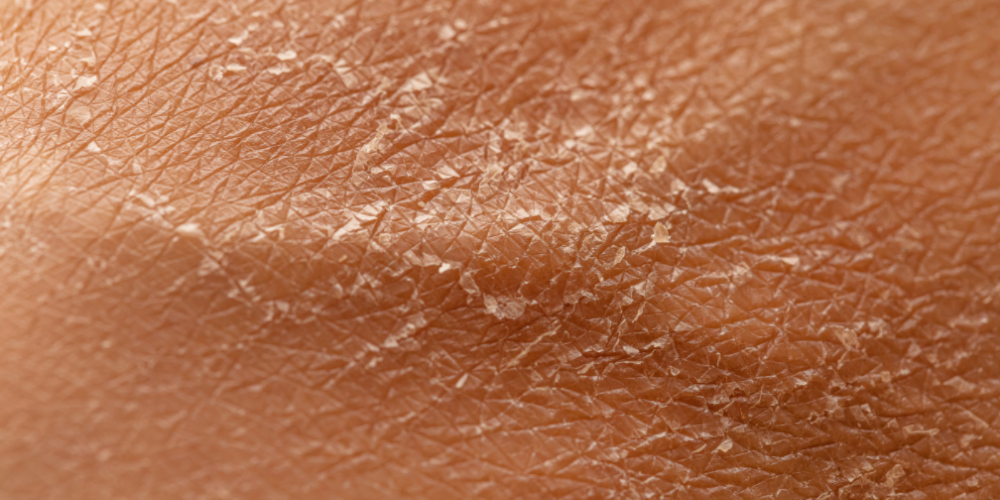
If your skin feels tight, looks flaky or dull, and has almost no visible shine after an hour you're likely on the drier side. If your entire face looks shiny and feels slick, oily. If your forehead and nose are shiny but your cheeks feel normal or slightly tight, combination. If your skin looks relatively even, feels comfortable, and has minimal shine or tightness, you're in the normal range, which is less common than people think.

The part that complicates everything is dehydration. Dehydrated skin is not a skin type, it's a condition, and it mimics both dry and oily skin in ways that throw people completely off. Dehydrated skin can feel tight and look dull like dry skin but also overproduce oil as a compensation mechanism, making it look oily at the same time. A lot of people who think they have oily skin actually have dehydrated skin that's overcompensating, and treating it with harsh oil stripping products makes it significantly worse.
The way to tell the difference is to look for fine dehydration lines, the kind that appear when you scrunch your face or smile, particularly around the cheeks and under the eyes. Dry skin lacks oil. Dehydrated skin lacks water. They need different things and confusing them is one of the most common reasons people feel like nothing works.

Your skin type can also genuinely change over time. Hormones, age, climate, diet, and even stress levels all influence how your skin behaves. What was true about your skin at 22 may not be true at 32. Checking in with your skin periodically and adjusting your routine accordingly isn't indecisive, it's just paying attention.
The goal isn't to find a perfect label. It's to understand what your skin is actually doing so you can give it what it actually needs.
Q&A
Q: Can your skin type change over time? A: Yes and it's more common than people realize. Hormonal shifts, aging, climate changes, and even long term dietary habits can all influence how your skin behaves. Someone who had oily skin in their 20s may find their skin becoming drier in their 30s and 40s as oil production naturally slows down. Checking in with your skin every year or so and adjusting your routine accordingly is genuinely worth doing.
Q: What's the difference between sensitive skin and reactive skin? A: Sensitive skin is a baseline characteristic where your skin has a lower tolerance for certain ingredients and environmental factors. Reactive skin is more of a temporary state where your barrier is compromised and your skin responds to things it normally wouldn't. A lot of people who think they have permanently sensitive skin are actually just dealing with a damaged barrier that can be repaired with the right routine.
Q: Is combination skin the most common skin type? A: It's one of the more common ones, yes. Having an oilier T-zone with drier or more normal cheeks is a pretty typical pattern for a lot of people. The challenge with combination skin is that it often needs a slightly different approach in different areas rather than one blanket product applied everywhere.
Q: How do I know if my skin is dehydrated or just dry? A: The easiest tell is the pinch test. Gently pinch a small amount of skin on your cheek and release it. If it springs back immediately your skin has good hydration. If it takes a moment to settle back or looks slightly crepey when pinched your skin is likely dehydrated. Dehydrated skin also tends to show fine surface lines when you scrunch your face that aren't there when your skin is properly hydrated.