This is not a "makeup is ruining your skin" post. Wear your makeup. Wear all of it. This is more of a "here are some things quietly happening under the surface that are worth knowing about" conversation, because there's a difference between makeup being bad for your skin and makeup being used in a way that your skin isn't loving.
And most people are doing at least one or two things that fall into that second category without realizing it.

The most straightforward one is foundation over a compromised skin barrier. When your barrier is already irritated or dehydrated, applying foundation on top essentially seals in that irritation and prevents your skin from recovering the way it needs to throughout the day. You might notice your skin looking patchy or your foundation sitting unevenly, which is often less about the foundation formula and more about what's happening underneath it. A solid skincare base, specifically something that addresses hydration and barrier support before you apply anything else, changes how your makeup sits and how your skin feels by the end of the day.
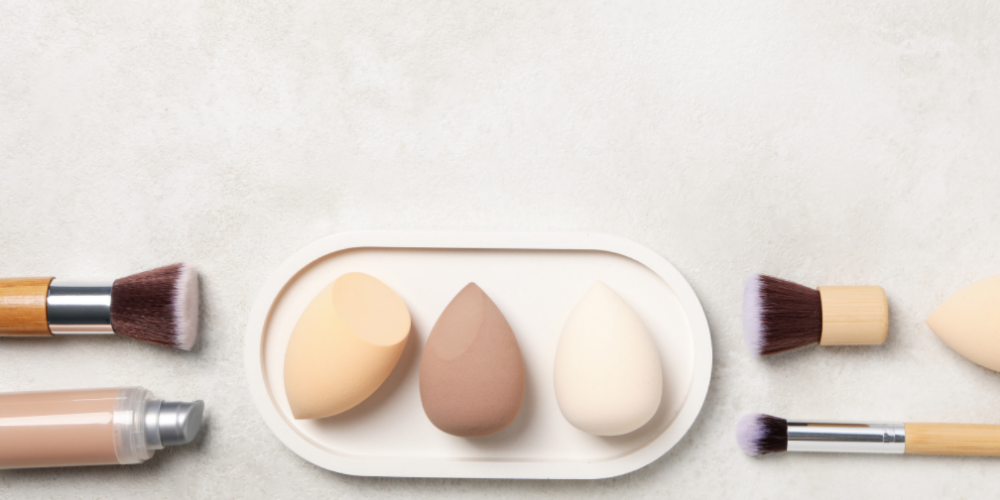
Makeup brushes and sponges are another one that doesn't get enough attention. A damp beauty sponge used daily without regular washing is essentially a bacteria delivery system pressed directly onto your skin. The warmth and moisture create the perfect environment for bacterial growth, and every application is reintroducing that to your face. Washing your tools weekly at minimum isn't just a hygiene preference, it's a breakout prevention strategy.

Sleeping in your makeup is the obvious one that everyone knows and everyone has done anyway. But the reason it matters goes beyond just clogged pores. Your skin does its most active repair work overnight and it needs a clean surface to do that effectively. Makeup, pollution particles, and sunscreen sitting on your skin while it's trying to regenerate is essentially asking it to work around an obstacle course. Even on the nights when a full cleanse feels impossible, a micellar water and cotton pad is enough to make a real difference.
The last one is more about timing than products. Applying makeup too soon after skincare, before your products have fully absorbed, can dilute your actives and disrupt the layering you just built. A few minutes between your last skincare step and your first makeup step is a small habit that makes both work better.

Makeup and skincare don't have to be at odds with each other. They just need a little coordination. The skin underneath your makeup is still your skin, and it responds to everything sitting on top of it whether you can see it or not.
Q&A
Q: Can wearing makeup every day damage your skin long term? A: Wearing makeup daily isn't inherently damaging as long as you're removing it thoroughly and maintaining a solid skincare base underneath. The damage usually comes from the habits around makeup, sleeping in it, using dirty tools, or applying it over a compromised barrier, rather than the makeup itself.
Q: How often should I actually be washing my makeup brushes? A: Ideally once a week for brushes you use daily, and after every single use for anything that goes near active breakouts or irritated skin. Beauty sponges used wet should be washed even more frequently since the damp environment accelerates bacterial growth. If weekly feels like too much, every ten days is a realistic minimum.
Q: Why does my foundation look patchy even with good skincare underneath? A: Patchiness is usually a sign of dehydration rather than dryness, meaning your skin needs more water based hydration before your foundation goes on. Try applying a hydrating toner or essence and waiting a few minutes before your moisturizer, then wait again before foundation. Giving each layer time to absorb before adding the next one makes a noticeable difference in how everything sits.
Q: How long should I wait between skincare and makeup? A: A general rule is five to ten minutes after your last skincare step before applying primer or foundation. This gives your products time to absorb properly so they aren't being diluted or disrupted by what goes on top. If you're using a heavier treatment like a retinol or vitamin C serum, giving it a full ten minutes is worth it.